
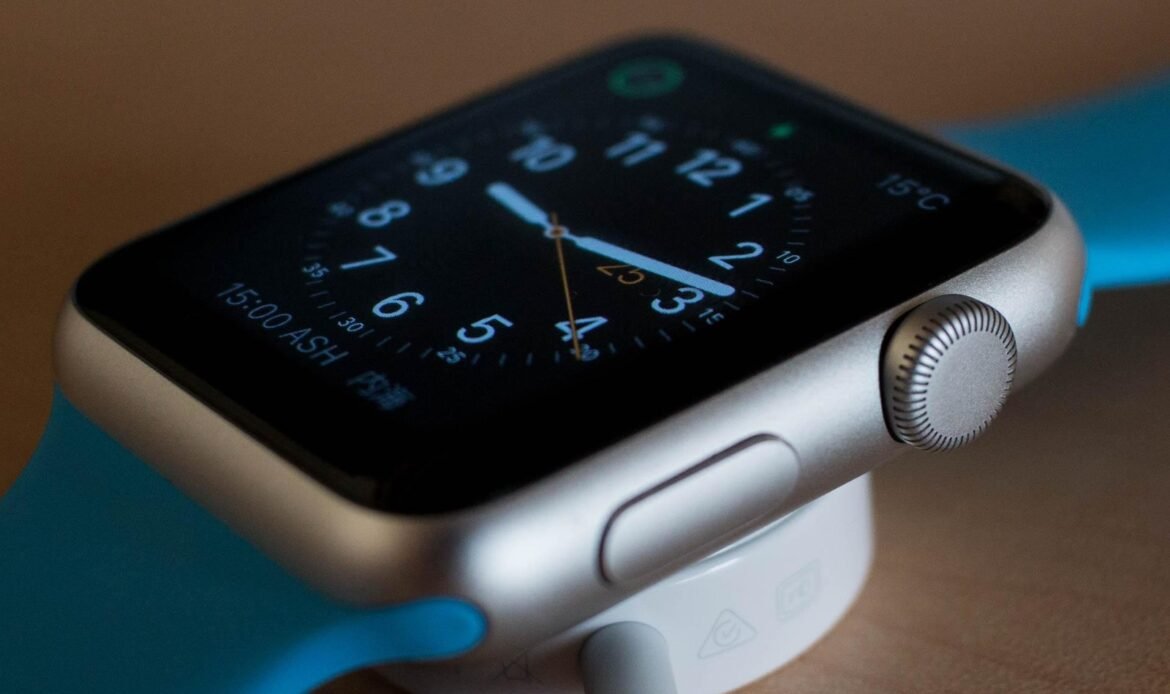
Your Apple Watch is designed to be durable, reliable, and convenient, helping you stay connected, track fitness goals, monitor health, and manage daily tasks with ease. Because it is worn daily, it is naturally exposed to constant movement, charging cycles, and everyday wear and tear. Over time, this regular use can lead to performance issues, battery decline, or physical damage. While some problems can be fixed with simple repairs, others may indicate that a replacement is the better long term option. Understanding the difference between repairable issues and signs of deeper damage can help you make a smarter decision, save money, and ensure your Apple Watch continues to perform at its best.
Table of Contents
Common Signs Your Apple Watch Needs Attention
If your Apple Watch starts showing unusual behavior, it may be time to check for possible issues. Some common signs include:
- Battery draining much faster than usual
- Screen cracks or display issues
- Touch response not working properly
- Overheating during normal use
- Charging problems or slow charging
- Random restarts or software lag
When Repair Is the Right Choice
In many cases, repairs are enough to restore your Apple Watch to proper working condition. Repairs are usually recommended when:
- The screen is damaged but the device functions normally
- Battery performance has reduced over time
- Charging or connectivity issues occur
- Minor internal components need replacement
- Professional repair can extend the life of your device and help you avoid unnecessary replacement costs.
Performance and Hardware Signs to Watch For
When Replacement May Be Better
Sometimes replacing the device makes more sense than repairing it. This may be the case when:
- The watch has severe internal damage
- Repair costs are close to the value of a new device
- The device is very old and no longer supported by updates
- Multiple issues occur at the same time